The fastest way to understand fabric is to ask three questions: does it breathe, does it drape, and does it pill or wrinkle? Answer those and you can predict how a garment will behave long before you try it on. This guide to the different types of fabric and their uses groups materials by behaviour rather than by name, so the next time you’re standing in a shop or hovering over a sewing pattern, you’ll know what you’re actually buying.
How to Read a Fabric by Feel
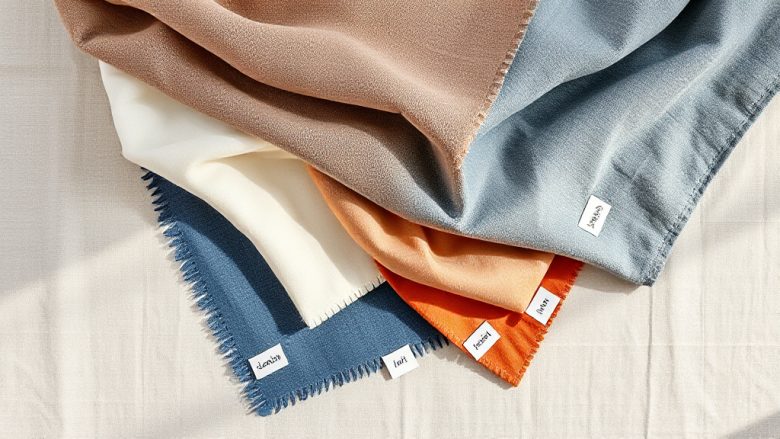
Before you memorise a single fibre name, learn to touch fabric like a buyer does. Pinch a corner between your thumb and forefinger. Rub it. Hold it up to the light. These small tests tell you more than most swing tags.
Breathability is the first thing to check. Breathe on the cloth, or simply notice whether air moves through it when you hold it against your wrist. A fabric that traps air will feel warm and slightly clammy; one that lets it pass feels cool and dry. Natural fibres generally breathe well, but weave matters too. A loose cotton muslin breathes far more than a tightly woven cotton poplin.
Drape is how the cloth falls when you hold it by one edge. Let a length hang from your hand. If it collapses into soft folds, it drapes well and suits flowing dresses, blouses and curtains. If it stands out stiffly, it holds structure and belongs in tailored jackets, bags or upholstery. Drape and stiffness are not good or bad. They’re just suited to different jobs.
Then there’s the everyday reality of pilling, wrinkling and shrinkage. Pilling is those little bobbles that appear where friction is constant, under the arms or along a bag strap. Short fibres pill more than long ones. Wrinkling depends on how easily the fibres spring back. Linen creases almost immediately; polyester barely creases at all. Knowing this before you buy saves you from a wardrobe of clothes you never actually wear.
Natural Fibres: Breathable, Comfortable, Demanding
Natural fibres come from plants and animals, and they behave in ways synthetics rarely match. They breathe, they age, and they usually ask for more care in return.
Cotton is the workhorse. It’s soft, breathable, absorbs moisture well and takes dye beautifully. Use it for t-shirts, shirts, jeans, bed linen and towelling. Its weakness is shrinkage and wrinkling, though a pre-washed cotton is far more predictable. Organic and long-staple cottons feel smoother and pill less than cheap short-staple versions.
Linen is made from flax and is the coolest fabric most people will ever wear. It wicks moisture, dries fast and has a crisp, slightly slubby texture that looks better the more it’s worn. It creases constantly, which is either charming or infuriating depending on your temperament. Reach for it in summer shirts, trousers, dresses and lightweight curtains.
Wool is warm, resilient and naturally odour-resistant. Merino is fine enough to wear against skin; lambswool and Shetland are better for jumpers and coats. Wool resists creasing, holds shape and can be tailored sharply, which is why it dominates suits and knitwear. It does felt and shrink if washed carelessly, so cool hand-washing or dry cleaning is often the safer route.
Silk is the luxury option. It’s smooth, strong for its weight, temperature-regulating and drapes like liquid. It also stains easily, fades in sunlight and hates harsh detergent. Blouses, scarves, linings and evening wear are its natural home. If you sew with it, pin inside the seam allowance and use a fine needle.
There are also the quieter naturals. Hemp resembles linen but is more durable and more resistant to mildew. Ramie is similar, often blended with cotton. Bamboo, when processed into viscose, feels silky and cool, though its eco-credentials depend heavily on how it’s made.
Synthetic Fibres: Durable, Predictable, Sometimes Sweaty
Synthetics are made from polymers, and their great strength is consistency. They don’t shrink unpredictably, they hold colour, and they’re cheap to produce.
Polyester is the most common. It’s strong, wrinkle-resistant, quick-drying and holds shape well. That makes it ideal for activewear, outerwear, luggage, curtains and anything that needs to survive repeated washing. Its downside is breathability. Wearing polyester next to skin on a hot day can feel like wearing a plastic bag, which is why it works best in blends or in garments designed for wicking.
Nylon, also called polyamide, is softer and more elastic than polyester. It’s abrasion-resistant, which is why it appears in tights, swimwear, parachutes and backpacks. It absorbs very little water, so it dries fast, but it can yellow with age and heat.
Acrylic mimics wool at a fraction of the price. It’s warm, soft and holds colour brilliantly, so it turns up in jumpers, hats and blankets. It pills more than wool and can feel clammy, but for budget knitwear it’s hard to beat.
Elastane, often sold as Spandex or Lycra, is the stretch ingredient. A tiny percentage, sometimes as little as two per cent, gives a fabric the ability to move and recover. You’ll find it in jeans, leggings, swimwear and fitted dresses. Too much of it and the garment loses shape over time.
Blends: Where Most Real Clothes Live
Pure fibres are lovely in theory, but most garments are blends, and that’s usually a good thing. Blending takes the best behaviour of each fibre and cancels out some of the worst.
Cotton and polyester is the classic. The cotton brings breathability and a soft hand; the polyester brings strength, wrinkle resistance and faster drying. It’s why so many shirts, workwear and bed sheets are a 60/40 or 50/50 mix. The result isn’t as cool as pure cotton, but it survives the tumble dryer.
Wool and acrylic gives you warmth and shape at a lower price, common in jumpers and coats. Wool and elastane adds stretch to tailoring, so a suit jacket moves with you rather than fighting you. Linen and viscose softens linen’s stiffness and reduces its creasing, which is why linen-blend trousers often feel more wearable than pure linen ones.
When you read a label, the order matters. Fibres are listed by weight, so a fabric described as cotton-rich is mostly cotton, while one listing polyester first is mostly polyester. That single detail tells you more about how the garment will feel than the brand name above it.
Matching Fabric Behaviour to Common Uses
Here’s where the three questions pay off. Once you know how a fabric breathes, drapes and wears, matching it to a use becomes instinctive rather than guesswork.
For clothing worn against the skin, prioritise breathability and moisture handling. Cotton, linen, merino wool, silk and bamboo blends all work well. Synthetics can work if they’re engineered to wick, as in running tops, but pure polyester against skin on a warm day rarely feels pleasant.
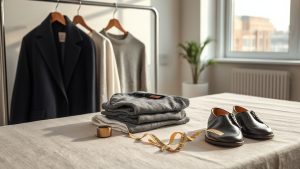
For structured garments, think about body and recovery. Wool suiting, cotton canvas, denim and polyester blends hold a shape. They resist sagging at the knees and elbows, and they press crisply. Loose drapey fabrics in these roles look limp and lose their lines quickly.
For flowing garments, drape is everything. Silk, viscose, chiffon, crepe and fine jersey fall softly and move with the body. They suit dresses, blouses, scarves and wide-leg trousers. They also demand more careful sewing, because a wobbly seam shows immediately on a fluid fabric.
For home textiles, durability and care matter most. Upholstery wants tight weaves in cotton, linen, wool or synthetic blends that resist abrasion. Curtains can be lighter, and linen or cotton voile filters light beautifully. Bed linen is usually cotton or a cotton-polyester blend, and the choice comes down to whether you value coolness or easy ironing.
For activewear and swimwear, stretch and recovery lead. Nylon and elastane combinations move, dry quickly and hold their shape in chlorinated water. Cotton is the wrong choice here; it soaks up sweat, gets heavy and stays damp.
Care Notes That Actually Change How Long Fabric Lasts
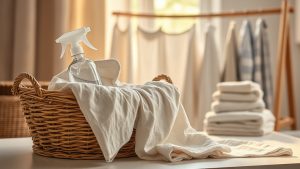
Most fabric damage happens in the wash, not on the body. A few habits make a real difference.
Wash less often. Wool, linen and denim often just need airing rather than a full cycle. When you do wash, turn garments inside out to protect the surface from friction, which is what causes pilling. Use a mesh bag for knits and delicates.
Heat is the enemy of almost everything. Hot water shrinks cotton, felts wool and ages elastane. Cool or cold washes, with a gentle spin, keep fibres closer to their original state. Skip the tumble dryer for wool, silk and anything with stretch; air-drying flat preserves shape.
Watch your detergent. Harsh biological powders break down protein fibres like wool and silk over time. A mild liquid detergent is gentler on everything. Fabric softener coats fibres and reduces absorbency, which is bad news for towels and activewear, so use it sparingly or not at all.
Store with a little thought. Fold knits rather than hanging them, because hangers stretch shoulders. Hang tailored jackets and dresses on shaped hangers so they keep their line. Keep sunlight off silk and wool, since both fade and weaken with prolonged exposure.
Understanding the different types of fabric and their uses isn’t about memorising a long list. It’s about recognising behaviour. Ask whether it breathes, how it drapes and how it wears, and you’ll choose better clothes, sew with fewer surprises and keep what you own looking good for far longer. The label stops being a mystery and starts being a set of useful instructions.